Best Baby Carriers in Australia
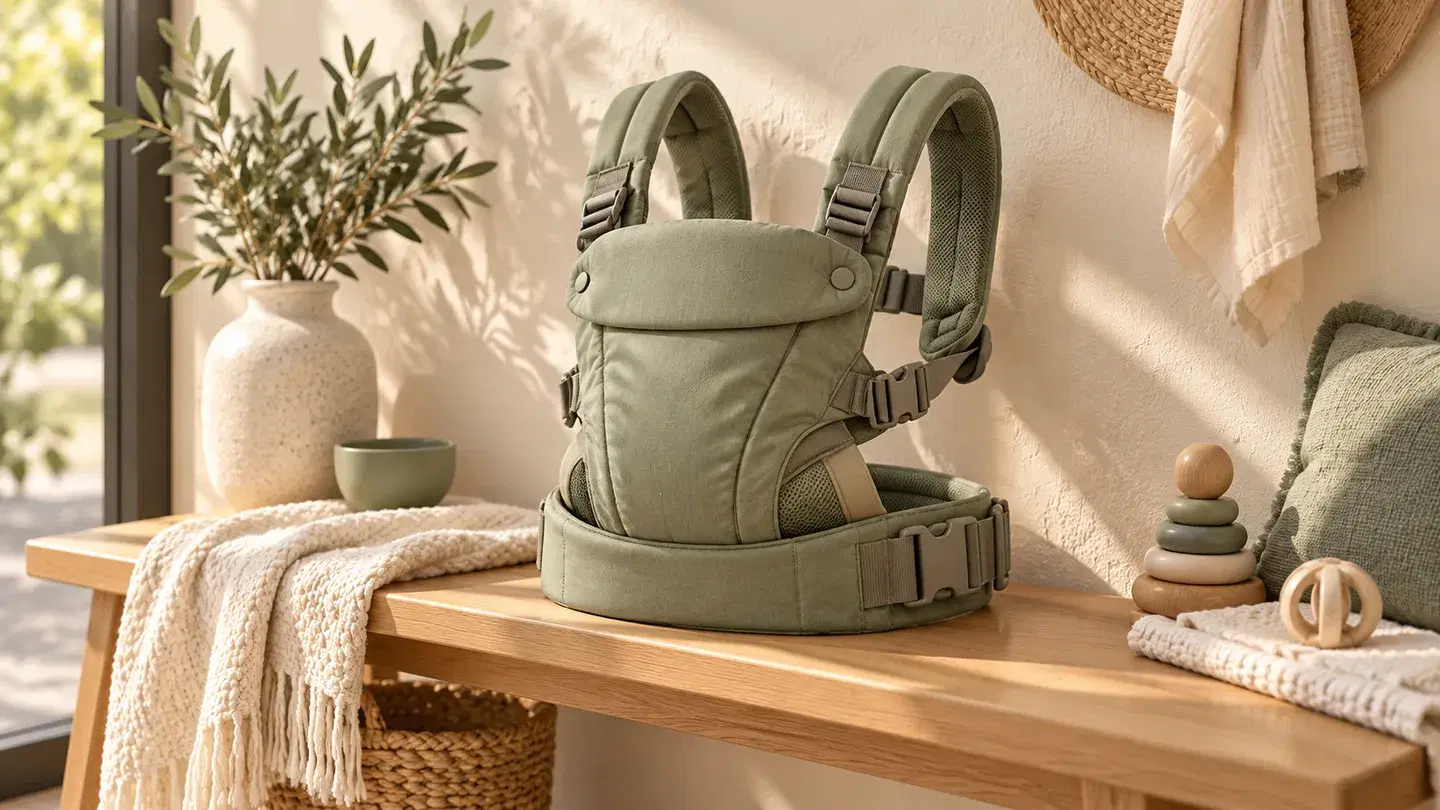
Baby carriers can solve a very specific problem: you want both hands free, but you do not want to put your baby down yet. The hard part is that the category splits quickly into softer newborn-first options and more structured carriers designed to last much longer.
For most Australian families, the best choice depends less on brand popularity and more on three practical questions: how old your baby is now, whether you want one carrier or two over time, and how much warm-weather comfort matters where you live.
Quick answer
If you want one carrier to take you from newborn through toddler, the Ergobaby Omni Deluxe Mesh is the most rounded pick in this group. It has the broadest usable range here, real warm-weather appeal, and enough support to keep making sense after the newborn stage.
If your baby is still very small and you mainly want a simpler, softer carrier for the first months, the Ergobaby Embrace is easier to recommend than a more structured all-stage model. And if hot weather, shared use, or longer walks matter most, the BabyBjorn Baby Carrier Harmony is the cleaner premium alternative.
Who this is for
This guide is for Australian families who want a baby carrier they will realistically use for errands, short walks, settling at home, daycare drop-off, or travel days. It is especially relevant if:
- you want something easier than a long fabric wrap
- your baby dislikes being put down during parts of the day
- you are deciding between a newborn-only carrier and a longer-term buy
- you expect to use a carrier alongside, not instead of, a stroller
If travel is a major part of the plan, it can also help to pair this guide with our baby travel packing checklist and our roundup of carry-on focused travel strollers.
Key guidance
Start with your baby's stage, not the marketing
Newborn carriers and softer hybrids can be excellent in the first months because they are quicker to learn and less bulky. But many of them stop making sense sooner, either because the support is lighter or the usable weight range is lower.
If you already suspect you will babywear often, buying a more structured carrier first can be the cheaper path. If you are unsure, a softer newborn-focused option may feel easier to live with initially.
Decide whether you want one carrier or two
Some families are happiest with one structured carrier that works across multiple stages. Others prefer a softer newborn carrier now and accept that they may switch later.
That trade-off matters more than small feature differences. A shorter-term carrier can still be the right purchase if the first three to six months are when you need the help most.
Prioritise heat, fabric, and adjustability
Australian conditions make breathable fabric more important than it looks on paper. Mesh is not essential for everyone, but it becomes more valuable if you expect regular outdoor walks, warmer climates, or longer wears.
Adjustment also matters if more than one adult will use the carrier. Premium models tend to justify themselves more clearly in shared-use households than in single-user, occasional-wear households.
Safe positioning matters more than any feature list
The Raising Children Network's baby carrier safety guidance is more useful than most marketing copy. In practical terms, keep baby upright, visible, close enough to kiss, and with airways clear.
If you are comparing babywearing with another short-term soothing purchase, our guide to baby bouncers in Australia covers where a stationary seat can be useful and where hands-free carrying is more practical.
Comparison at a glance
| Product | Best For | Weight / Size | Key Feature | Price Tier |
|---|---|---|---|---|
| Ergobaby Omni Deluxe Mesh | One carrier from newborn through toddler | 3.2-20.4 kg use range | Breathable all-mesh build with storage pockets | $$$ |
| BabyBjorn Baby Carrier Harmony | Warm weather and longer wears | 3.2-15 kg use range | Strong padding and shared-use adjustability | $$$ |
| Ergobaby Embrace | Simple newborn days at home | 3.2-11.3 kg use range | Soft newborn feel without full wrap learning | $$ |
| BabyBjorn Baby Carrier Mini | Fast on-and-off use in the first year | 3.2-11 kg use range | Quick, low-fuss setup | $$ |
| Portier Limitless Baby Carrier | Natural fibres and a polished look | 3.2-16 kg use range | Cotton-linen blend with three carry positions | $$$ |
| BabyDink Baby Carrier | No-wrap newborn closeness with less bulk | 3.6-8 kg use range | Slip-on design for short newborn wears | $$ |
The shortlist
Ergobaby Omni Deluxe Mesh
This is the most complete all-rounder in the group because it covers the broadest usable range here without needing a separate newborn insert. It is the clearest fit for families who want one carrier to handle short errands early on, regular walks later, and a longer lifespan before toddler weight makes some softer carriers feel outmatched.
The mesh build is also practical in warmer Australian weather, and the four carry positions give it more room to adapt as routines change. The trade-off is that it is still a fully structured carrier with a premium price and more adjustment points to learn. If you mainly want something soft and quick for the first few newborn months, it can feel like more carrier than you need.
BabyBjorn Baby Carrier Harmony
Harmony makes the strongest case for parents who care most about comfort, breathable fabric, and a polished shared-use fit. The padded support and airflow-focused fabric options are the main reasons to pay extra here, especially if more than one adult will be adjusting the same carrier across the week.
It is a strong premium pick for warmer climates or longer wears, but it is harder to justify if your babywearing is likely to stay occasional. Its usable range is still solid, though not as long as the highest-capacity options in the group, so the value case depends on knowing you will actually use it often.
Ergobaby Embrace
Embrace is one of the easiest newborn-first carriers to recommend because it sits between a wrap and a structured carrier. It gives you a softer, more forgiving feel than a full structured model, but without asking you to learn long fabric wrapping when you are already tired and adjusting to the first weeks.
That makes it particularly sensible for contact-nap days at home, short settling walks, and parents who are not yet sure how much babywearing will become part of the routine. The downside is longevity. If babywearing becomes a regular part of your week, there is a fair chance you will want a more supportive carrier later.
BabyBjorn Baby Carrier Mini
Mini is aimed squarely at the first year, and that narrow focus is what makes it appealing. It is quick to get on, easy to take off, and less intimidating than a carrier with multiple carry modes, waistband settings, and more structured bulk.
It works best for shorter wears, quick errands, and families who want something simple rather than something that tries to cover every stage. That same simplicity is why many families outgrow it sooner, especially once baby gets heavier or wears start lasting longer.
Portier Limitless Baby Carrier
Portier is a credible premium option for parents who want a more natural-fibre feel rather than an overtly technical-looking mesh carrier. The cotton-linen blend, three carry positions, and newborn-to-bigger-baby range make it a reasonable middle ground between soft early comfort and longer-term usefulness.
Its appeal is as much about feel and finish as outright spec comparison. The main limits are price and distribution. If you want a mainstream carrier that is easier to inspect in multiple physical stores, larger global brands still have the edge.
BabyDink Baby Carrier
BabyDink is the most niche pick here, but it fills a real need for parents who want newborn closeness without buying a long wrap or a fully structured carrier. Its lighter, slip-on approach is most useful in the early months when you mainly want calm, close carrying for shorter periods rather than a carrier that grows with you for years.
That makes it compelling if your priority is simplicity in the newborn stage, but it is not the right buy if you want long-term versatility, multiple carry modes, or an easy fit across different caregivers.
How to narrow the shortlist
If your answer to most of the questions below is "often", start with a structured carrier:
- Will you use the carrier for walks longer than 20 to 30 minutes?
- Do you expect both adults to use it regularly?
- Are you hoping to keep using it beyond the first six months?
- Do you want one purchase rather than a newborn-first option plus a later upgrade?
If the answer is mostly "not sure" or "probably not", a softer newborn-focused option may be the more sensible buy.
Practical checklist
- Check the minimum and maximum supported size for your baby's current stage.
- Decide whether you want a newborn-first carrier or a longer-term all-stage option.
- Prioritise breathable fabric if you expect warm-weather or frequent outdoor use.
- Make sure every regular wearer can adjust the carrier comfortably.
- Review safe babywearing guidance before the first long wear.
Final takeaway
The Ergobaby Omni Deluxe Mesh is the strongest all-round pick here because it covers the most real-life use cases without needing a second carrier too quickly. But that does not make it the automatic best buy for every family.
If you want the easiest newborn experience, Ergobaby Embrace or BabyBjorn Baby Carrier Mini can be the more practical answer. If you expect frequent babywearing in warmer weather, BabyBjorn Baby Carrier Harmony has a cleaner case than many premium alternatives. And if you mainly want a softer newborn option with less wrapping fuss, BabyDink remains one of the more interesting Australian choices.